My Learning Source › Workshops & Articles
By My Learning Source · November 9, 2026 · Scholarships, Tips
Two thousand dollars. Say it fast and it sounds like a slam dunk. Who turns down

For the 2026–27 school year, Texas Education Freedom Accounts provide homeschool students up to ,000. Homeschool accounts got the full amount on July 1, 2026. Unspent money rolls over as long as the child stays in TEFA. That's the good part, and it's real.
Now the other column.
Time up front. You apply. You establish eligibility. For 2026–27, awarded families had to act by July 15 to confirm their choice or opt out. Miss a step and you've got a problem.
A lottery you don't control. If applications exceed funding, a lottery decides placement, sorted by priority tiers. You can do all the work and still not get in.
Spending on their terms. The money goes to approved expenses: instructional materials, online courses, tutoring, assessments, certain therapies and a few other categories. The TEFA Marketplace is where families use funds directly with participating schools, providers and vendors. If your go-to seller isn't participating, you've got a decision to make.
Hard caps. Computer hardware and software can't exceed 10% of the year's transfer — 00 on a ,000 award. And you can't pay a family member.
Audits. The Comptroller must contract a private entity to audit accounts and eligibility at least annually. That means records. Receipts. Explanations. Every year.
Rules that can move. The state sets the rules, and they can change. The amounts and tiers you see today are the 2026–27 versions.
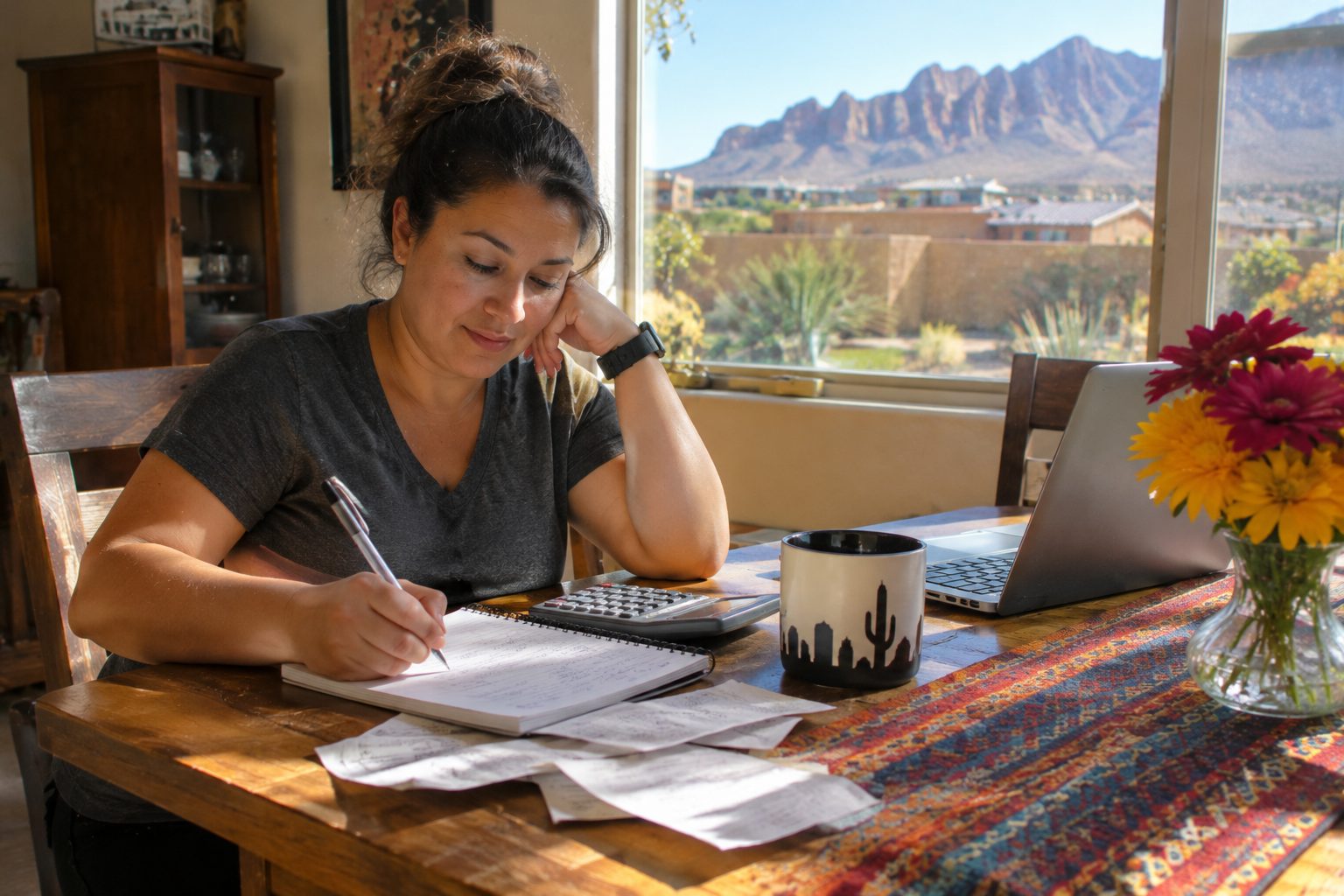
Meet Carla in El Paso. Single mom, one son, Diego, age 10. She works from home as a bookkeeper, so running numbers is literally her job. She spends a few hundred dollars a year on homeschooling. Used curriculum from a local swap group. Free library programs. A retired neighbor — not family — who tutors Diego in math for a small fee. And her mom, who teaches Diego Spanish reading every week.
(A composite example — names and details are illustrative, drawn from situations homeschool families commonly describe.)
Carla wrote two columns. On one side: up to ,000. On the other: hours on applications and eligibility, the chance of not getting picked, record-keeping for audits, learning a marketplace, and a spending list that didn't match much of what she already bought. Her mom's teaching couldn't be paid from the account. Her swap-group books weren't coming from a marketplace vendor. Her son didn't need a big program; he needed what was already working.
Her conclusion? For her family, the real usable value was a lot smaller than ,000, and the hassle was a lot bigger than zero. She decided the program wasn't worth it for them.
Let's be fair. Carla's math isn't everybody's math. If you already pay for tutoring, online courses or outside therapies, TEFA may line up almost perfectly with what you spend. If money is tight, ,000 could mean the difference between getting help and going without. For those families, the paperwork is a small price.
That's exactly why you do the math instead of following the crowd.
,000 is the sticker. What matters is the net. Here's how to find yours.
Free money is never quite free. Know your real number, and you'll know your answer.
My Learning Source is an independent marketplace and is not affiliated with the Texas Comptroller of Public Accounts, Texas Education Freedom Accounts or Odyssey. Program rules and amounts are set by the state and can change every year — confirm details on the official program site before making financial decisions. Family examples are composites, not real individuals.
Loading the full experience… If it does not appear, this article is fully readable above.